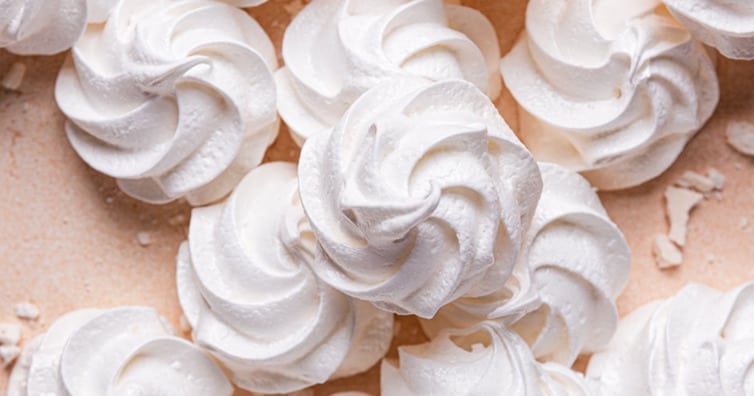
The Cloud-Like Charm of Classic Meringue Cookies
Imagine a dessert so delicate, so ethereal, it feels like biting into a sweetened cloud. That's the enchanting experience offered by classic
meringue cookies. These practically weightless, melt-in-your-mouth confections are renowned for their irresistible crispness and subtle sweetness, making them a perennial favorite for holiday cookie trays, elegant afternoon teas, or simply as a light, naturally gluten-free indulgence. While their appearance might suggest complexity, the core of meringue cookies lies in a deceptively simple technique: low-temperature baking, which is the ultimate secret to achieving their signature, shatteringly crisp texture.
Often referred to affectionately as "forgotten cookies" because they are left to dry out in a cooling oven for an extended period, meringue cookies transform humble egg whites and sugar into delicate masterpieces. Their versatility is remarkable; whether piped into elegant "kisses" with a hint of color, infused with various flavors, or adorned with subtle mix-ins, they always impress. But to truly master these delightful treats, it's crucial to understand the foundational principles of meringue and, most importantly, the art of their unique baking process.
Understanding Meringue: More Than Just Egg Whites and Sugar
At its heart, meringue describes a confection made by whipping egg whites with sugar until they become stiff, glossy, and voluminous. This simple combination forms the backbone of countless beloved desserts beyond just cookies, from the airy peaks of an angel food cake and the silky richness of Swiss meringue buttercream to the vibrant layers of a pavlova and the zesty topping of a lemon meringue pie. While the concept of whipping egg whites might seem straightforward, many home bakers encounter challenges, leading to flat, sticky, or unstable results.
The science behind a perfect meringue involves the denaturation of egg proteins. As egg whites are whipped, the proteins unfold and create a stable network that traps air. Sugar then plays a critical role, not only for sweetness but also for stabilizing this delicate structure, adding gloss, and preventing the egg whites from collapsing. Without proper technique, the proteins might not fully denature, or the air might not be adequately incorporated, resulting in a less than ideal meringue. Common pitfalls include fat contamination (even a tiny speck of yolk can prevent stiff peaks), overly cold egg whites, or adding sugar too quickly. By understanding these fundamentals, you're already well on your way to creating beautifully stable meringue, ready for its transformation into cookies.
The Secret to Perfect Crispness: Low-Temperature "Baking"
Unlike most cookies that are baked until golden brown and set,
meringue cookies undergo a unique process that is less about traditional baking and more about controlled dehydration. This crucial distinction is the cornerstone of their flawless crispness. Instead of high heat, these delicate treats require a gentle, prolonged exposure to a very low temperature – typically around 200°F (95°C).
The reason for this low-and-slow approach is simple yet profound: it allows the moisture within the whipped egg whites to evaporate gradually and evenly, without browning the delicate surface or causing the cookies to crack. If baked at a higher temperature, the sugar in the meringue would caramelize quickly, leading to a browned, potentially chewy interior or a cracked exterior that compromises their signature appearance and texture. The goal is to dry them out completely, ensuring they are crisp all the way through, rather than merely cooking them.
This "drying out" period often extends for one to two hours, depending on the size of your cookies. Once the initial baking time is complete, the most important step for achieving that perfect, shatteringly crisp result is to turn off the oven and leave the meringue cookies inside to cool completely, often for several more hours or even overnight. This allows any residual moisture to fully evaporate as the oven temperature slowly drops, effectively locking in their dry, airy structure. You'll know your meringue cookies are perfectly done when they lift easily from the parchment paper, feel completely dry and lightweight, and sound hollow when tapped. For more detailed guidance, be sure to check out our article on
Perfect Meringue Cookies: Your Easy Guide to Light & Crispy Bites.
Essential Ingredients for Sublime Meringue Cookies
The beauty of classic
meringue cookies lies in their minimalist ingredient list. With just a handful of components, you can create something truly magical. However, the quality and preparation of each ingredient are paramount for success.
*
Egg Whites: These are undeniably the star of the show. For optimal volume and stability, use fresh, large egg whites that are at room temperature. Cold egg whites are more difficult to whip to full volume. Ensure there is absolutely no trace of egg yolk, as any fat will prevent the whites from whipping properly.
*
Granulated Sugar: Fine granulated sugar is ideal as it dissolves readily into the egg whites, creating a smooth, glossy meringue. Superfine or caster sugar can also be used. The sugar is added gradually during the whipping process, allowing it to fully incorporate and stabilize the foam.
*
Acid (Cream of Tartar, Lemon Juice, or White Vinegar): While not always listed as a primary ingredient, a small amount of acid is a secret weapon for stabilizing egg whites. It helps them whip up faster, achieve greater volume, and form stronger, more resilient peaks, making your meringue more robust and less prone to collapse.
*
Flavoring (Vanilla Extract, etc.): Pure vanilla extract is the classic choice, imparting a warm, comforting aroma and taste. It's usually added towards the end of the whipping process. Beyond vanilla, almond, peppermint, or citrus extracts can introduce exciting variations.
*
Pinch of Salt: A tiny pinch of salt can enhance the overall flavor profile, balancing the sweetness and adding a subtle depth.
Crafting Your Meringue Masterpiece: Tips for Success
Making
meringue cookies is an art form that rewards patience and precision. By following these key tips, you can transform simple ingredients into a breathtaking dessert.
*
Preparation is Paramount: Before you even crack an egg, ensure your mixing bowl and whisk attachments are immaculately clean and completely free of any grease or oil. Even a microscopic trace of fat can prevent egg whites from whipping into stiff peaks. Stainless steel or glass bowls are preferred over plastic, which can sometimes retain fatty residues. Carefully separate your egg whites, ensuring no yolk contaminates them.
*
Whipping Wonders: Begin whipping your room-temperature egg whites on medium-low speed until they become foamy. Then, add your chosen acid (cream of tartar or a drop of lemon juice). Gradually increase the speed, and once soft peaks form, begin adding the granulated sugar, one tablespoon at a time, allowing each addition to fully dissolve before adding the next. This slow, steady introduction of sugar is crucial for a stable, glossy meringue. Continue whipping until you achieve stiff, shiny peaks that hold their shape when the whisk is lifted. The meringue should be smooth and silky, without any gritty sugar residue.
*
Piping Perfection: For those delicate, beautiful shapes (think classic meringue kisses, rosettes, or elegant swirls), a piping bag fitted with a star tip is your best friend. Practice on a piece of parchment paper first if you're new to piping. Alternatively, you can simply drop spoonfuls of meringue onto your baking sheet for a rustic look.
*
The Patient Bake & Cool: As discussed, the low-temperature "baking" (200°F/95°C) followed by cooling in the oven is non-negotiable for achieving perfect crispness. Do not open the oven door during the baking process or the cooling period, as sudden temperature drops can cause the meringues to crack or deflate.
*
Troubleshooting Common Issues:
*
Sticky Meringue: This usually means they haven't dried out enough. Leave them in the cooling oven longer. Humidity can also be a factor.
*
Cracked Meringue: Often caused by an oven that's too hot or removing them from the oven too soon before they've fully cooled and stabilized.
*
Meringue Not Whipping: Almost always due to fat contamination, cold egg whites, or adding sugar too quickly/not dissolving it properly.
Elevating Your Meringue Cookies: Flavors, Colors, and Beyond
While the classic vanilla meringue is delightful on its own, these airy confections are a fantastic canvas for creative expression.
*
Creative Flavoring: Experiment with different extracts like almond, peppermint, coconut, or even a touch of citrus zest (lemon or orange) folded in at the end. For chocolate lovers, a tablespoon of unsweetened cocoa powder can be sifted in gently.
*
Adding Color: A few drops of gel food coloring can transform your
meringue cookies into a vibrant display, perfect for themed parties or holiday celebrations. Add the color towards the end of the whipping process, mixing just until streaks disappear for a uniform hue, or swirl gently for a marbled effect.
*
Mix-ins: For an extra layer of texture and taste, consider folding in miniature chocolate chips, finely chopped nuts, or colorful sprinkles just before piping. Remember to fold gently to maintain the meringue's volume.
Given their inherently simple ingredients, meringue cookies are naturally gluten-free, making them an excellent choice for those with dietary restrictions. They are a versatile treat that can adapt to almost any occasion or preference. For more in-depth techniques and various recipe ideas that delve into specific variations, explore our guide on
Melt-in-Your-Mouth Meringue Cookies: Easy Recipe & Baking Tips.
Serving and Storing Your Delicate Treats
Once your classic
meringue cookies are perfectly crisp and cooled, they are ready to be enjoyed! They make an exquisite addition to any dessert platter, their delicate appearance and light texture providing a refreshing contrast to richer treats. They're also an ideal homemade gift, especially when packaged prettily in a clear box or bag. Pair them with a warm cup of coffee or tea for a sophisticated snack, or use them as a decorative and delicious garnish for ice cream sundaes or fruit tarts.
To maintain their characteristic crispness, proper storage is crucial. Meringue cookies are highly susceptible to moisture, which can quickly turn them sticky and chewy. Store them in an airtight container at room temperature, in a cool, dry place. Avoid refrigeration, as the humidity can ruin their texture. When stored correctly, meringue cookies can last for up to two weeks, though their irresistible charm often means they disappear much sooner!
There's a special magic in creating something so light, so delicate, and so utterly delicious from just a few basic ingredients. The journey to perfect
meringue cookies, with their signature low-temp baking, is a rewarding one, culminating in treats that are as delightful to behold as they are to eat. So, gather your ingredients, embrace the low-and-slow approach, and prepare to be enchanted by these quintessential sugar clouds.